Leggi questa guida in italiano
Photo albums, prints and paper keepsakes when you move
How to pack photo albums, loose photos, letters and drawings for a move: what to save first, how to put them in the box and where not to leave them.
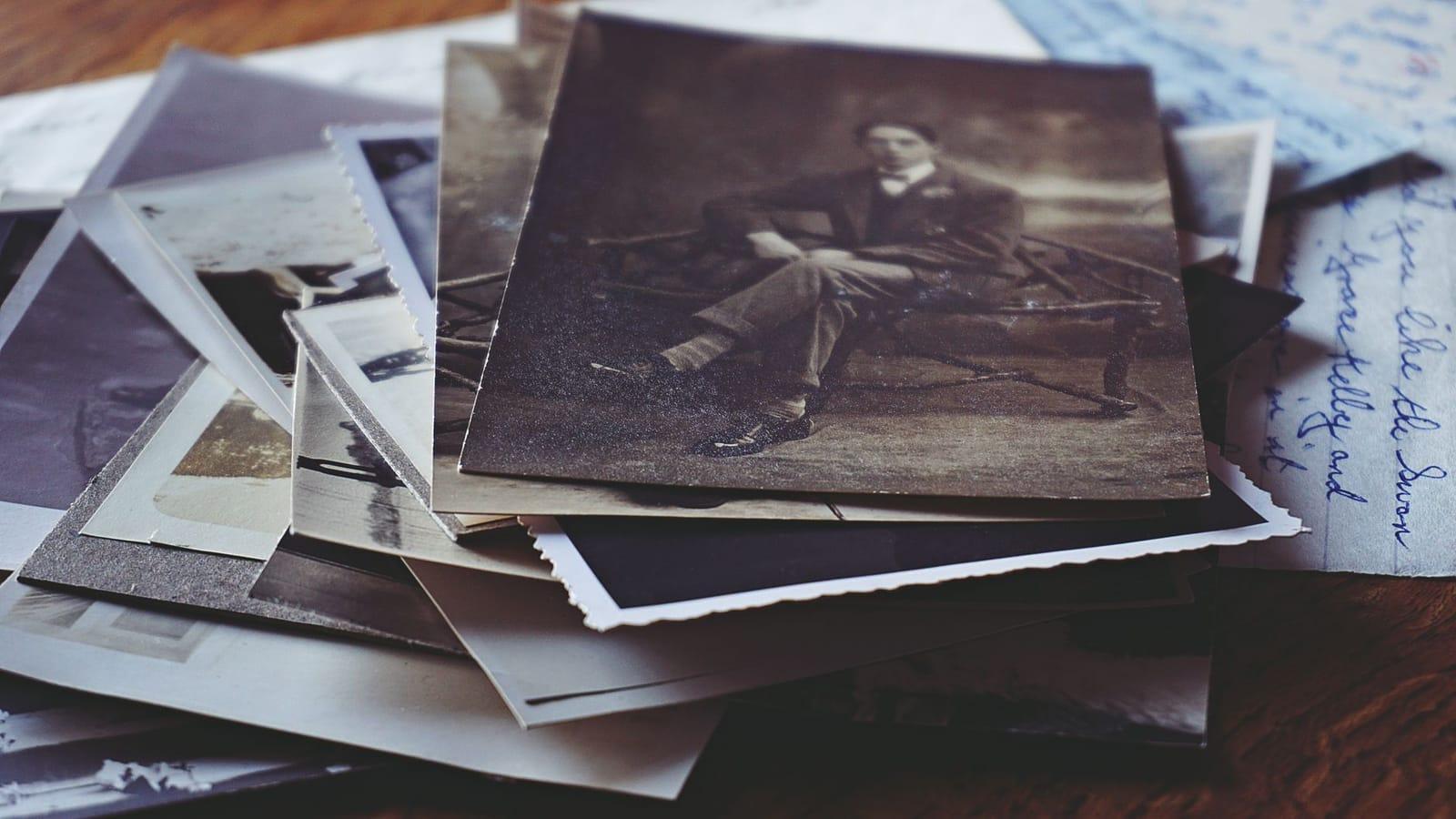
The shelf of photo albums is always the last thing you pack. Then there is the shoebox of loose photos, the folder of letters, the children's drawings rolled up in a wardrobe. Picked up one at a time they weigh little. All together they weigh a lot, and they end up in the last box left, the night before, on top of something unrelated.
Yet of everything you move, these are the things you cannot buy again. A broken plate can be replaced. A photo that exists in only one copy cannot. That is why they deserve ten minutes of thought before you close the box, and a proper place for the journey.
Before you pack, set aside what is one of a kind
Not all paper is worth the same. Photos you also have as files, double prints and postcards you bought can be lost without much harm. Family albums, negatives, handwritten letters and photos of your grandparents that nobody else has a copy of cannot.
A few days before the move, take your phone and photograph the pages of the albums you care about most, one by one, in a light that does not cause glare. It is not a proper digitisation, it is insurance: if an album gets damaged, the memory survives. The photos already on your computer are protected in a different way, with a copy of your data before you unplug anything.
Do not use these days to sort out your photos. The article on the things you leave behind makes the same point: opening the box of photos means losing an afternoon and deciding nothing. Pack them as they are. You will sort them in the new home, when you have time.
How they go in a box
Albums go in flat, the biggest at the bottom and the smallest on top, with no gaps for them to slide into. If you stand them on their side, the glued pages tend to come away from the spine and the corners bend. For weight, the same applies as for books: paper weighs more than it looks, so a box of albums is filled halfway and topped up with light things.
Loose photos stay in their envelopes or in their shoebox, and the shoebox goes inside the moving box. Fill the space around it with a dry towel or jumper so it does not move. Loose photos at the bottom of a box bend and scratch each other.
Letters, drawings and documents go in folders, flat, without folding them any more than they already are. Rolled drawings stay rolled, inside a tube or between two stiff folders.
Two things not to do:
- No sticky tape on albums or photos. It leaves glue behind when you peel it off, and sometimes it tears the surface.
- No tight rubber bands around a stack of photos. They mark the edges, and over time they perish and stick to the paper.
Framed photos are a separate case, because the risk is the glass: for those, follow the advice for paintings and mirrors.
Damp, heat and moving day
Paper takes in moisture from the air, and printed photos also suffer in the heat. Two damp photos lying on top of each other stick together, and an album left in the sun curls. The real danger is not the journey, which is short. It is the days before and after, when the boxes wait in a garage, in a cellar or in a van parked overnight.
This is where the material of the box matters. Cardboard is paper too: it takes in moisture from the floor and the air, and passes it on to what is inside. The rigid polypropylene a Cangubox is made from, by contrast, does not soak anything up. Its lid is two halves that lock together, so you can open it to look at the albums and shut it again without cutting any tape. And since it can be stacked even when shut and full, the crates above press on its walls and not on the album covers.
A closed box does not dry anything, though: if the albums were already damp at home, they stay damp inside. Pack them dry.
The box with the one-of-a-kind things does not go in the van with the others. It travels with you, in the car or in your hands, like your documents and keys. Give it a number and note it on your phone, so the next day you know straight away which one to open.
In the new home
Open the box with the one-of-a-kind things in the first few days, even if you do not have anywhere to put the albums yet. The point is to check that nothing has picked up damp on the way: if you find pages sticking together, separate them at once and let them air-dry, open, away from radiators and direct sun.
Then choose the spot. Not the cellar or the garage, and not a wardrobe against an outside wall in the first few weeks either, when the new home still has cold walls and the air is damper than usual. A shelf in a room you walk through every day is easy to keep an eye on without thinking about it.
In practice, four steps:
- Before: photograph the album pages you do not want to lose.
- While packing: albums flat, photos in their envelopes, no tape and no rubber bands.
- On moving day: the box of one-of-a-kind things travels with you.
- Afterwards: open it straight away, check it, and find the albums a dry spot.
Sorting the photos, which you have put off for years, can wait a few more weeks. For now, it is enough that every one of them arrives.