Leggi questa guida in italiano
Helping an elderly parent move house
When an elderly parent moves, the hard part is not the boxes: it is deciding what to keep, at what pace and who does what. How to organise it together.
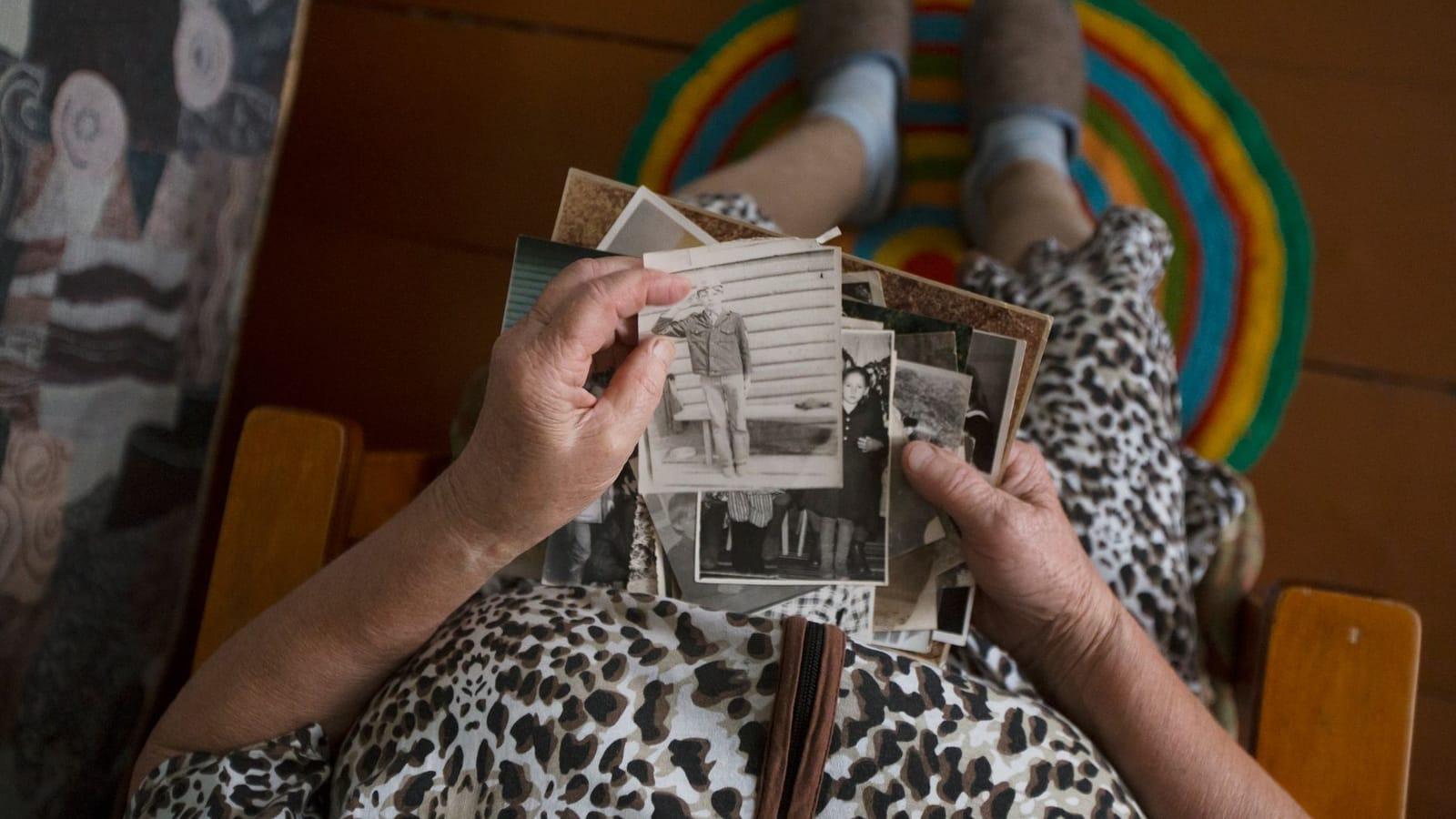
Your mother is leaving the home she has lived in for forty years. Maybe she is moving to a flat with two fewer rooms, maybe she is coming to live near you, maybe it is a choice you made together after a hard winter. Either way, organising the move falls to you, and you soon find that the boxes are the easy part. The hard part is that every drawer holds a decision, and she is the one who has to make it.
First of all, who decides
The temptation is to get it done quickly: one weekend, you and your brother, and the house is empty. That works for the furniture. It does not work for everything else, because a parent who arrives in the new home and can no longer find her things has not moved. She has been moved.
Agree on a single rule at the start. The things are hers, and on every object she has the last word. You suggest, you ask, you take away what she has decided to leave, but you throw nothing out without asking her first. It slows things down, of course. But a row over a dinner service halfway through the job costs more days than the rush ever saves.
If there are several of you, split the tasks and write them on a sheet of paper: who talks to the building manager, who deals with electricity and gas, who stays with her on moving day. The list of people to tell is the same as for any move, and it is in a separate article. If her official residence changes, there is also her GP to sort out.
One room at a time
Forty years of a home do not get cleared in an afternoon. Count in weeks, not days, and start with the rooms she uses least: the cellar, the spare room, the cupboards in the hall. The kitchen and the bedroom come last, because she lives in them until the day she leaves.
For each room, three piles are enough: it comes with her, it goes to someone in the family, it leaves the house. The third pile is the hard one, and where it ends up needs deciding before you start. What to give away, what to sell and what to take to the recycling centre is explained in the guide on how to deal with what stays behind. When she is sad to let something go and there is no room for it in the new home, take a photo of it together before it leaves. It does not solve everything, but it makes the decision possible.
Boxes that stay in the house for weeks
A move done this way has a practical result: the boxes sit in her home for weeks, half full, and she walks past them every day. You fill them together one afternoon, you close them, and the week after one has to be opened again because the book she was looking for is inside.
With cardboard, every reopening means tape to cut and tape to put back. A Cangubox closes without tape: you fold down the two halves of the lid and they stay hooked together, and to open it again you lift them. We deliver the boxes to her home and can collect them straight from the new one, when both homes are within the area we serve. The rental can be booked for one, two, three or four weeks, and if you double the length, the price does not double. At a parent's pace, it is the weeks that count.
A word on weight. Each Cangubox holds up to 30 kg of contents, but that is the limit of the box, not a target: with books and crockery, stop sooner and spread them over more boxes. The rule of thumb is the one the site gives: if you cannot lift it comfortably, take something out. She lifts nothing, and you do not have to carry everything by hand either. The Dolly comes with the rental, a trolley with four swivel wheels: the boxes go on it in a stack and you push them along. For what is still left to lift, read how to carry heavy things without getting hurt.
Moving day and the first evenings
Moving day is noisy, full of people and open doors. If possible, she does not spend it in the middle of all that: someone in the family takes her out in the morning, to lunch with a friend or a grandchild, and brings her back when at least one room in the new home is ready. If she wants to be there instead, give her a place and a job: a chair near the door and the list of boxes to tick off.
Before anything else, pack a single box with what she needs for the first two days, and take it in your car, not in the van: her medicines with the prescriptions, her glasses, her documents, the phone charger, the new keys, a change of clothes, the sheets for her bed. You will find a list to start from among the tips on your first day after the move.
In the new home, the first room to set up is the bedroom, and it should be set up so that she recognises it: the bed with her own covers, the bedside table on the same side, her usual lamp. Leave a light on at night between the bed and the bathroom, until she knows the way in the dark. Then the bathroom and the kitchen, with things where they always were. Pictures and photos seem like the last job, but they should go up in the first few days: they are what make a house look like hers before it really is.
In practice: settle at the start that she has the last word, count in weeks starting with the rooms she uses least, pack the box for the first two days and take it yourself. To book your Cangubox, start here.