Leggi questa guida in italiano
Your first day in the new home: what to do tonight
The first day is not for unpacking everything, it is for making the place liveable for one night: what has to work before dark, and the order for the rest.
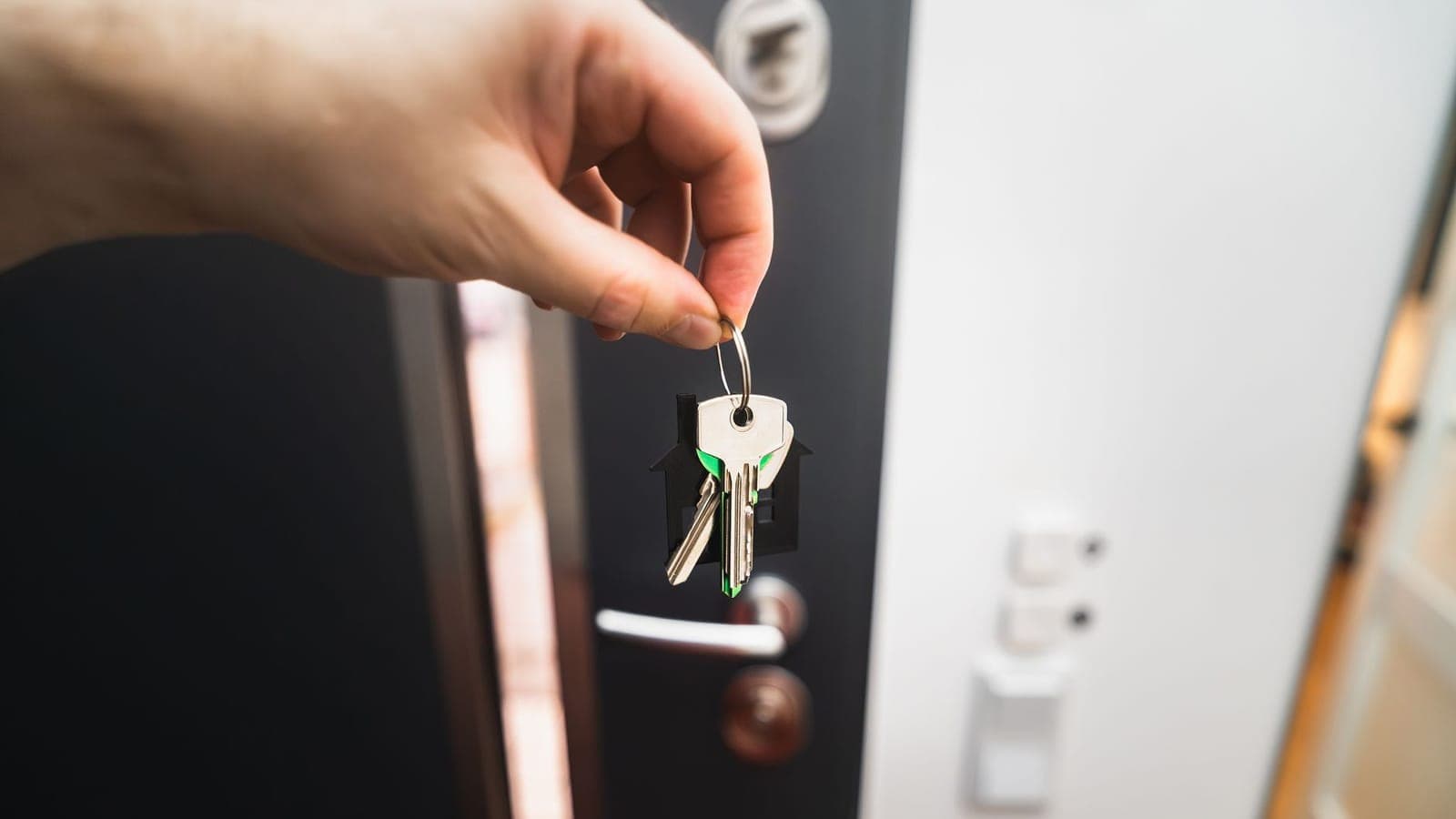
The van pulls away, the door shuts, and you are standing in the middle of a home that has been yours for four hours and still does not look like home. Everything is inside, and that is exactly what makes it feel like the work is over.
Then it is eleven at night. You have seven half open boxes in three rooms, one room where the light will not come on, and you are looking for your toothbrush.
The first day is not for unpacking the boxes. It is for making the place liveable for one night, and for leaving the rest in an order that still works tomorrow.
Three things have to work before dark
The bed, the bathroom and the lights. Everything that is not one of those three can wait, and first nights that go badly nearly always come down to one of the three being left for later.
The bed goes up while there is still daylight and you still have some strength in your arms. It is the piece that needs tools and often two people, and nobody assembles a bed at midnight: leave it to last and you sleep on the mattress on the floor. If you took it apart yourself, the screws should be in the bag taped to the frame, and this is the moment that bag repays the half hour it cost you.
The bathroom takes five minutes and no tools: toilet roll, soap, one towel each, a shower curtain if the place has none.
Test the lights room by room as soon as you walk in, not when you need them. A blown bulb or an empty light fitting takes ten minutes at the shop round the corner at five in the afternoon, and there is no fixing it at ten at night.
The box you open first is the one you pack last
The day before you leave, keep one box out and fill it last, with the things you need in the first six hours: medicines, chargers, an extension lead, scissors and a screwdriver, the bathroom things, a change of clothes each, the bed sheets, the coffee machine with the coffee inside, something to eat that does not need a pan.
Then decide how it travels. If it goes on the van, it goes on last, so that it comes off first. If you are following in the car, keep it in the car, with the documents and the keys.
This is the box you reopen most often in the days that follow, along with the bathroom one and the kitchen one, and here the container matters. A Cangubox closes by folding its lid down, and that lid is part of the box and stays there: no tape to cut to get in, and none to put back to shut it again, as many times as you like. Counting the operations, a cardboard box first has to be put together and taped along the bottom, then opened by cutting the tape, and every time you shut it again the tape goes back on.
Then there is the floor, which on the first day is the only clear surface you have. Cangubox stack even when closed and full, and each one holds a stated 30 kg: whatever you are not opening tonight sits in a stack against a wall, instead of spread across the rooms you have to walk through in the dark. What comes with a rental is listed in the kit.
Then you open one room at a time
The thing that stretches the work out is opening one box in every room. By the end of the evening you have six rooms half done and none finished, and none of them is fit to sit in.
Do the opposite: one room at a time, and you do not start another until the first one is sorted. The order that works nearly always is bedroom, bathroom, kitchen, and on the first day the kitchen only needs one clear surface and the minimum for eating and washing up.
Unpacking is packing in reverse, and the same thing slows it down: what stops you is not the volume, it is the decisions. An object with no place yet in the new home gets picked up three times and put down three times. Leave it in the box. The things with no place stay in one room, closed, and you come back to them when you know where they go.
The checks you do before sitting down
Five minutes as soon as you walk in, and these are nearly all things you would otherwise find out too late.
Switch the water heater or the boiler on first: hot water takes time, and you want that shower tonight. Test the sockets in the kitchen and in the bedroom. Find where the fuse box and the main water stopcock are, and try closing the stopcock and opening it again: the day you need it, you need it at once and usually at night.
Then sit down. Tonight, three things that work and one room you can be in are enough. The rest is decided by the house over the weeks you live in it, not by one evening when you are tired, and the week by week checklist tells you what falls when.