Leggi questa guida in italiano
Moving your internet line to your new home
Line transfer or new contract: what to check at the new address, when to ask, what leaving a contract costs and what to do if the provider is late.
On moving night you sit down among the boxes, open your laptop, and there is no home network yet. If you work from home, the Monday after is a real problem.
The delay is rarely your fault, but when you ask is up to you. The rules quoted here come from the pages of AGCOM, the Italian communications regulator, checked on 16 October 2026.
First of all: what reaches the new address
Your current plan may not exist at the new home. It depends on the technology that reaches that building: fibre all the way into the flat, fibre to the cabinet in the street with copper for the last stretch, or copper only.
To find out, there is the AGCOM Broadband Map, at maps.agcom.it. You search for the address and see which technologies are available and at what speeds. Then you run the same check on your provider's website, with the street number: the map tells you what reaches that street, the provider tells you what it can sell you there.
Then ask whoever is handing you the keys two questions:
- whether there is already a fibre socket in the flat, and in which room;
- whether the last tenant had internet, and with which technology.
A photo of the socket on the wall helps when you talk to the provider. It also tells you where the router will go.
Two routes: move the line or get a new one
Move the line. This is a line transfer, which the AGCOM rules call "trasloco dell'utenza": you keep the same contract and the same provider, and the address changes. Times and costs are not the same everywhere: you find them in the contract and in your provider's service charter (carta dei servizi), and it pays to read them before you call. Ask one precise question too: from which day the old home is left without a line.
A new contract. If your provider does not reach the new address, or does not bring fibre there, you take out a new plan there and close the old one. This is where the rules on leaving a contract matter, and AGCOM sums them up like this:
- after twenty-four months from signing you can leave whenever you want, with at most one month's notice, with no penalties and no deactivation costs;
- before twenty-four months the provider can charge you closure costs, but these cannot be higher than the average monthly fee you pay, or than its real costs if those are lower.
Let the map decide, not habit. If fibre reaches all the way into the new flat and your current plan runs on copper, moving the line means taking your copper contract with you.
The dates, and what to do if the line is late
You make the request on the day you get the date for the keys, not on the day you collect them. In the moving checklist internet sits among the things to do a month before, because you do not decide how long the activation takes.
Then put two dates in order:
- The day the line goes live in the new home. Ask the provider whether a technician has to come in and, if so, book the visit for a day when you are there.
- The day the line goes off in the old home. With a line transfer the provider tells you: it is the question you asked before signing. With a new contract you choose it: set the end of the old contract after your last night in the old home, as with electricity and gas.
If the line does not arrive on time, there is a rule that protects you. The AGCOM rules on compensation, resolution 347/18/CONS, provide compensation for every day of delay when the provider goes past the maximum time set in the contract. This applies to activating a new line and, in the same words, to a delay in transferring a line.
One detail matters: the compensation is automatic, but the payment depends on you reporting the problem. The provider pays it on the next bill, once forty-five days have passed since the fault was reported. So, on the day after the time limit written in the contract runs out, write to the provider and keep the receipt. If you get no answer, or the answer does not satisfy you, the next step is conciliation, which you request from your regional Corecom.
The router is the last thing you unplug
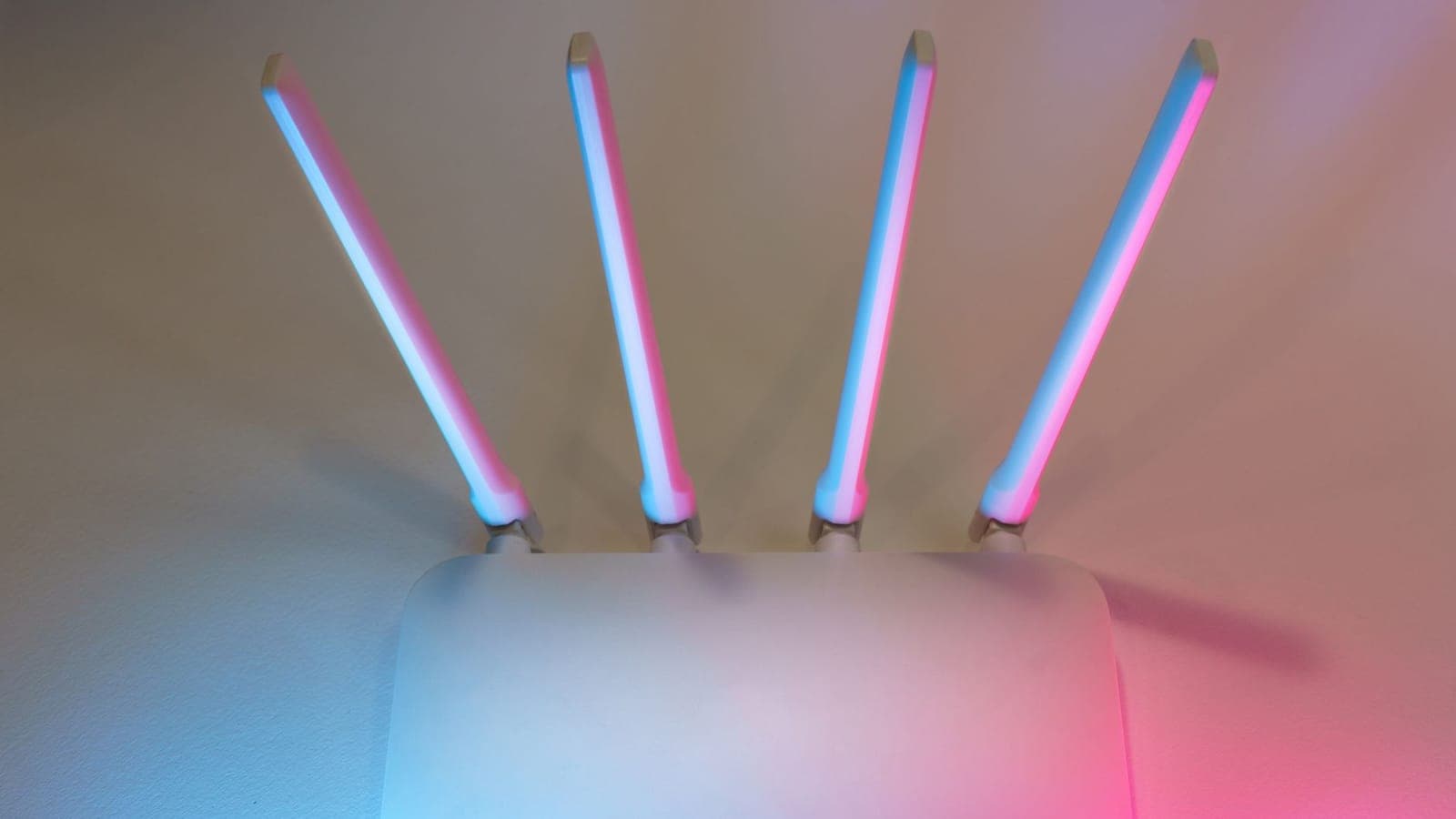
The router is the last device you unplug in the old home: you use it until the last evening, often until the morning. And it is the first one you want to find in the new home. Put it in a bag with its power supply and cable, and write "router" on the bag, as with the other cables from your desk.
The practical problem is that by that morning the boxes are already closed. With cardboard you open one by cutting the tape, and then you close it with tape again. On a Cangubox that step does not exist. The two halves of its lid are fixed to the crate with hinges: you lift them, put the bag inside, lower them, and they lock together again, with no tape.
In the new home, before you open any other box, connect the router to the socket you photographed and check that the line is there. If it is, the rest of the day carries on. If it is not, you know straight away, and your report to the provider goes out that same day.