Leggi questa guida in italiano
The transport-only move: the removal firm carries, you pack
You have booked a firm to carry and you are packing yourself: where your job ends and theirs begins, and how to be ready on the morning of loading.
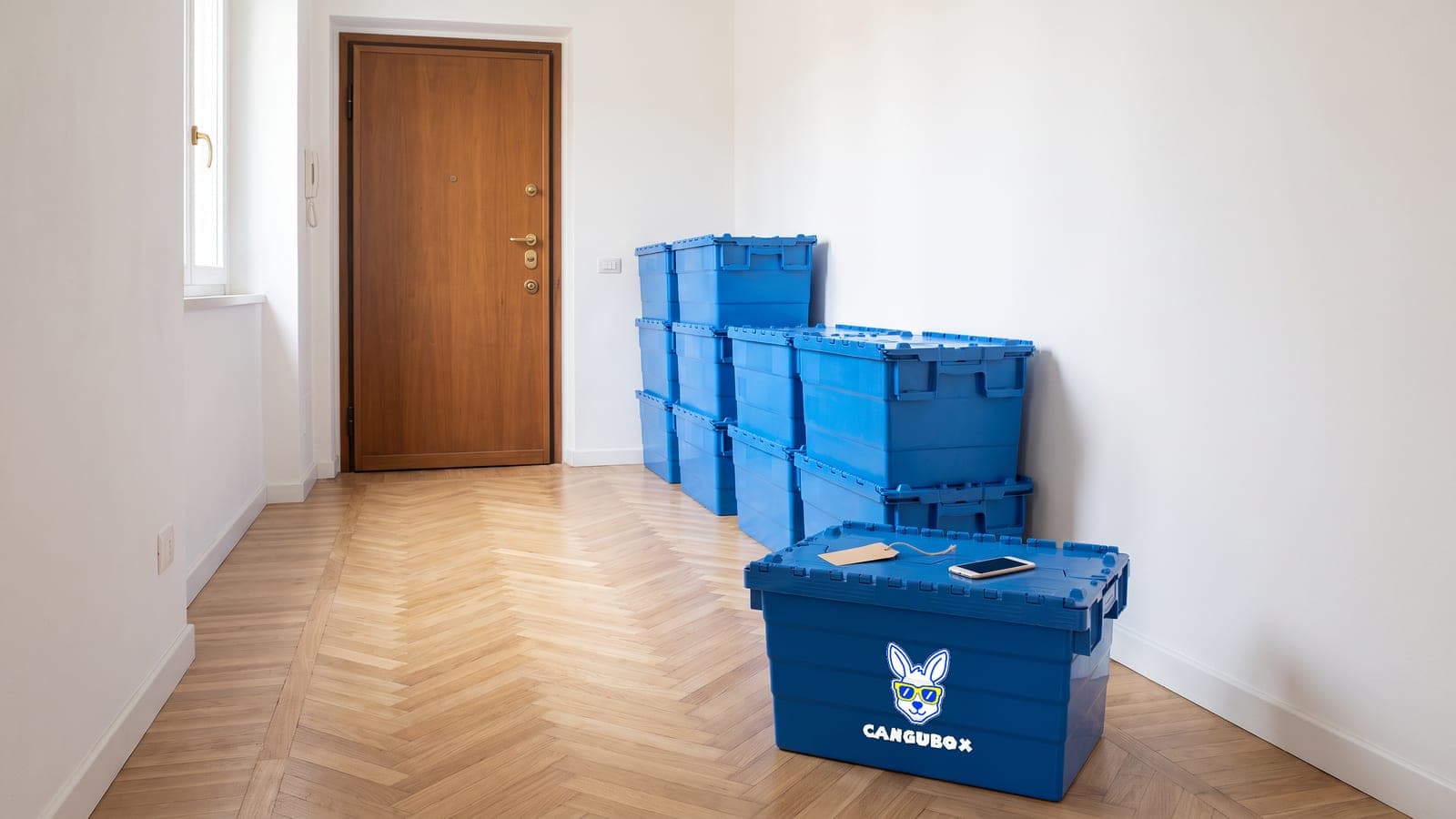
You have made your choice: a removal firm for the transport, and you pack the boxes yourself. The quote says how many people are coming, at what time and with which vehicle. What it does not say is what happens to the things that fit in no box, and who has to be ready for what when the doorbell rings.
If you do not ask that question beforehand, you answer it on the landing, with the whole team standing there waiting for you. This article picks up where the one on choosing between a DIY move and a removal firm leaves off: the choice is made, and now it is about splitting the work well.
Where your job ends and theirs begins
The boxes are the easy part: you fill them, they carry them. The trouble is everything else: the furniture that needs taking apart and the things too big or too fragile for a box. Go from room to room with a pen and note every item where you are not sure whose job it is:
- the wardrobe, the bed and the bookcase: do they take them apart, or should they find them already dismantled?
- the TV, the mirrors and the pictures: who wraps them, and with what?
- the washing machine and the fridge: who disconnects them, and who empties them?
- ceiling lights, shelves and curtains: do they stay on the wall, or come down first?
- what is in the drawers: can it stay inside the furniture, or does it have to come out?
Then call whoever gave you the quote and read them the list, one line at a time. Get every answer in writing, ideally in the same email that confirms the date. The lines that stay yours become jobs to put in the diary, and some of them already have instructions: the TV, for example, needs its manual and a blanket, and has to be ready before the people loading it arrive.
The boxes: closed when the doorbell rings
The removal team takes away what is ready. A box that is still open, with the roll of tape on top, sits in the middle of the room until someone finishes it, and meanwhile the person who has to carry it is waiting for you. On the morning of loading there is nothing left to fill: the only job is carrying things out.
So you start early, and how early depends on how many rooms you have: there is an article on how long packing actually takes. By the evening before the move every box should be closed except one, the one for the last things you use that morning.
This is where the box itself matters. Cardboard has to be folded into shape and taped before you can put another box on top of it. A Cangubox has its lid built in: the two halves click shut without tape, and the box stacks even when full and closed. The stated load capacity is 30 kg per box: you know the limit before you fill it, not when someone lifts it. The handles are recessed into the two short sides, so whoever lifts it knows where to hold it.
Each box also needs to say where it is going. You do not use a marker on a rented box: you give it a number, or you hang a tag on it with the name of the room it is going to. Keep the list of numbers on your phone, with the room next to each one.
Where the boxes wait
The day before, gather them together. A room near the front door, or the hallway if it is wide, with the boxes in low stacks and a clear path for the furniture that will go out later. Heavy ones at the bottom, light ones on top. If you have rented Cangubox, the Dolly that comes with the rental is made for exactly this: you stack, you push to the door, and you do not carry them one by one.
Group them by the room they are going to. It changes nothing for the team loading, but all the kitchen boxes travel close together, and in the new home they end up in one place instead of three.
Keep out of the group whatever does not travel with the removal firm. Documents, laptop, chargers, medicines and keys go in the bag you carry yourself: the reason is explained in the article on what to keep out of your boxes. Put it in another room with the door shut, so nobody loads it by mistake.
On loading day, you point the way
While they carry, you have one job left: knowing where everything goes. In the new home, stick a sheet of paper on every door with the same name that is on the tags: kitchen, bathroom, bedroom, study. Anyone coming in with a box reads the sheet on the door and does not have to ask you.
Stay in one spot, at the entrance of the new home, with the list on your phone. Tick off every box that goes past. At the end the numbers have to add up, and if one is missing you find out while the van is still outside, not in the evening.
Before the van leaves the old home, walk through every room, wardrobes and balcony included. And before the team leaves the new one, check that the dismantled furniture has arrived with its screws.
The list of open questions, read out on the phone before the date. Every box closed the evening before, numbered and gathered near the door. On loading day, a sheet on every door and you at the entrance with the list.