Leggi questa guida in italiano
Small pets when you move: rabbits, rodents and birds
How to move a rabbit, hamster, guinea pig or budgie: rebuilding the cage the same way, the carrier, noise, heat and the first few days.
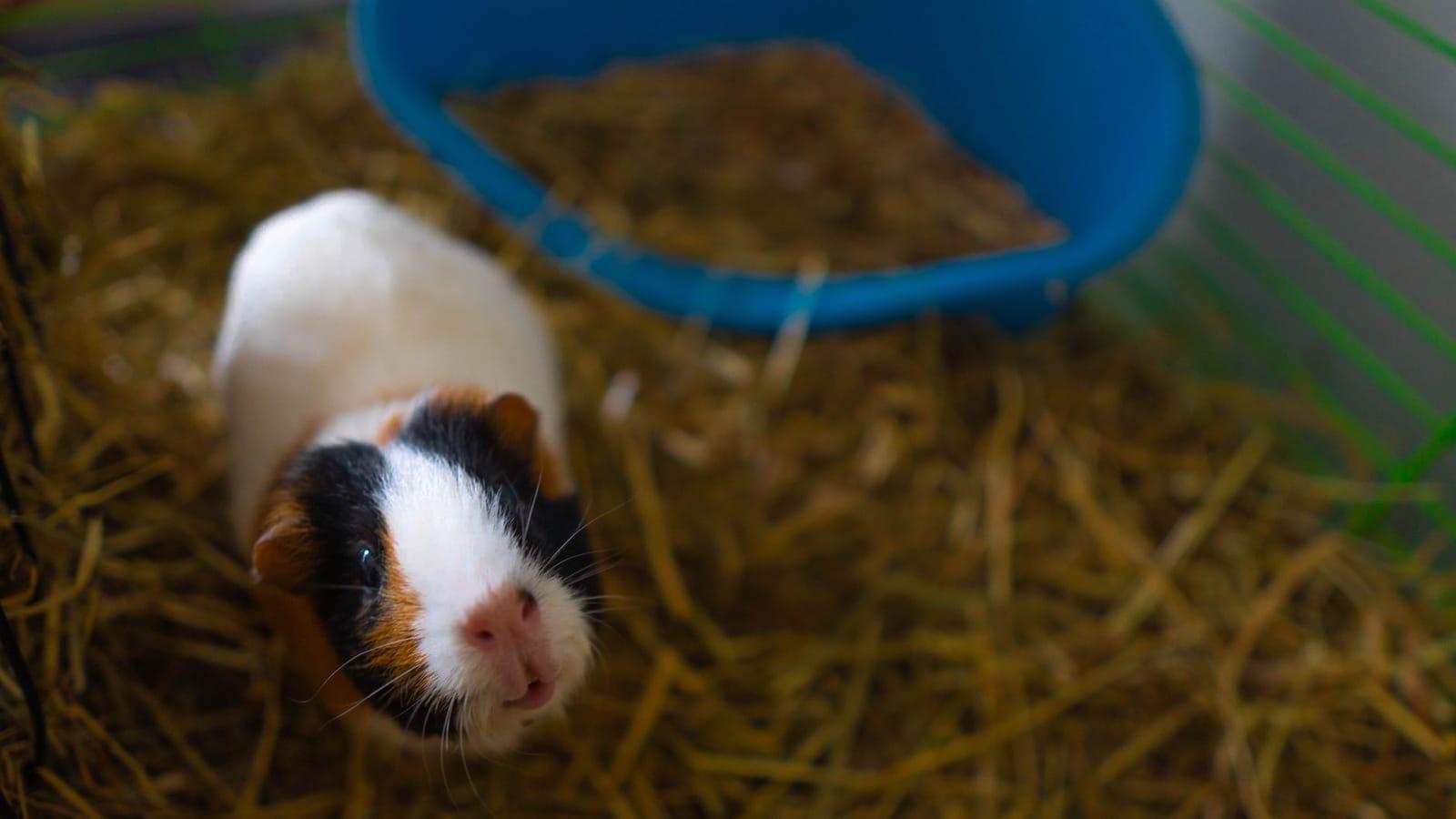
Guides to moving with pets talk about dogs and cats. But in many homes the question is a rabbit, a pair of guinea pigs, a hamster or two budgies. They are small animals, and that is exactly why people think about them at the last minute: the cage goes into the car like any other piece of furniture, with the animal still inside.
Their needs are not the same as a dog's. They are prey animals, so noise and movement frighten them more than you might think. They suffer in the heat and in draughts. And their territory is not the home: it is the cage. Almost everything you need to do follows from that.
The cage is their home
A cat loses its rooms. A rabbit loses its cage or its pen, with everything laid out in a certain way. Before you take it apart, photograph it from two sides. You need the photos to put it back exactly as it was: the hideout in the same corner, the hay rack on the same side, the water bottle at the same height.
Take the cage apart at the very end, and put it back up before anything else. Everything around it goes into one box: hay, pellets, bedding, bowls, water bottle, the hideout, a used towel that smells of them. It is the box you open as soon as you walk in, before any other. The lid of a Cangubox is two halves on hinges that hook together, with no tape needed: when you arrive you open it without a box cutter, and if you need some hay for the journey in the meantime you open it and close it again.
When there is also a dog or a cat in the home, there is an article for them on moving with pets. Here one more thing matters: during the days of the move, keep the two groups out of the same room, because the confusion upsets the habits even of animals that normally live together calmly.
They travel in a carrier
The big cage is not made for travelling. In a roomy cage the animal slides about at every bend, and the accessories come loose and fall on it. For the journey you need a small, closed carrier where it can stay still.
- Rabbits and guinea pigs: a rigid carrier, with a towel on the bottom and some hay to eat. Two animals travel together only if they already live together.
- Hamsters and mice: a rodent carrier with narrow gaps, because they get out through wide ones. Put a little of their used bedding inside, so the smell is a familiar one.
- Birds: a small travel cage with low perches and no hanging toys swinging about. A water bowl tips over on the way: let them drink before you leave and as soon as you arrive.
The carrier goes in the car, held by the seat belt or wedged in front of the seat, never in the back of the van between the furniture. Cover it with a light cloth that still lets the air through: the less they see, the calmer they stay. And leaving them in the car while it stands in the sun is not OK, even for a short stop. In November the problem is the other way round, and it is the cold: the hours with the doors open and going from a warm home to a freezing car are handled as the article on moving house in winter explains.
On moving day
While the boxes are being loaded, the animal stays in its carrier or cage in a room with the door shut, the one you empty last, away from the front door. Put a sign on the door, and tell your helpers before they start. Drills, furniture being dragged and unfamiliar voices are what a rabbit takes as danger.
Birds have one more problem: sensitive airways. In the new home, fresh paint, glues and cleaning products leave smells that bother you and can harm them. If building work has just finished, air the place well before you bring them in, and if the work is not finished at all, read what changes in the article on moving in while the work is still going on. If in doubt, they spend the first day at a friend's.
The first few days in the new home
Put the cage back together before you open the carrier, just like the photo. Choose the spot carefully, because moving it later is a second move: away from a window in direct sun, from the radiator, from draughts, from the television. Not on the floor in a hallway where everyone walks past.
Then watch what it eats. A little shyness in the first few hours is normal. But a rabbit or guinea pig that stops eating hay and stops producing droppings needs to see a vet that same day, without waiting for it to pass.
That is why you look for the new vet before the move, not after. Not every practice sees rabbits, rodents and birds: ask when you phone, and also note where to go in the evening and at the weekend.
So before you start packing, do three things: photograph the cage, get the box of accessories ready, find the vet. Everything else fits around them.