Leggi questa guida in italiano
How to clear out your cellar before a move
The cellar is the one space you have to hand back empty on a fixed day: how to look inside it in time, what to decide, and in what order to carry it out.
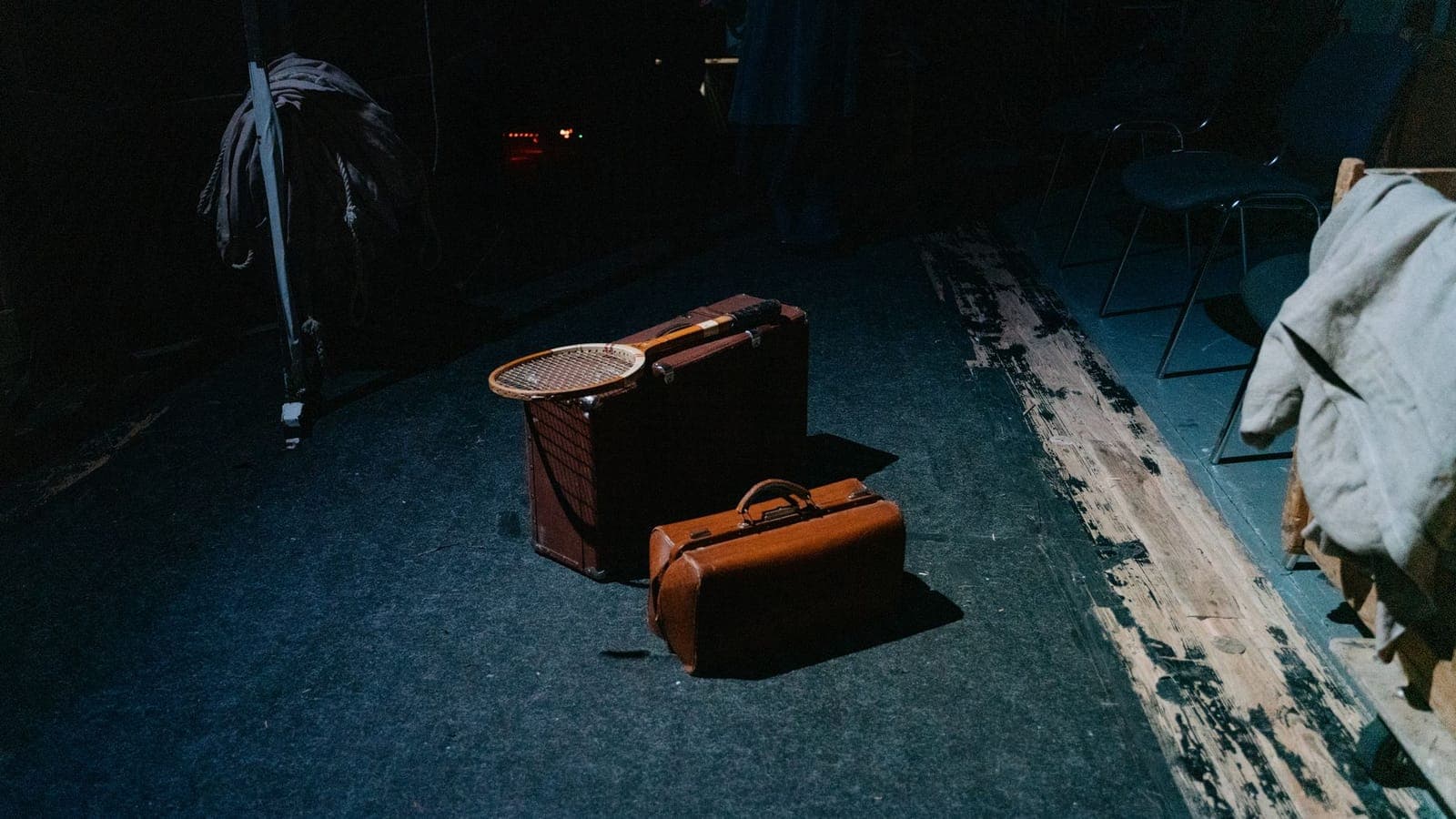
Three weeks to the move, the calendar for the flat is starting to hold together, and then you remember the cellar. You go down, you switch on the light that goes off by itself after a minute, and in ten seconds you understand one thing: you did not choose what is down there, it just built up over the years. The boxes from when you moved in, the bike with the flat tyre, the paint tins from the bathroom you redid years ago, and a row of things you no longer know who they belong to.
The trouble with a cellar is that it turns up all at once and at the bottom of the list. And it is the one space in the home you have to hand back empty on a fixed day, a day you do not choose: the landlord does, or the completion date.
Go down and look first, then set the dates
The first job is not to take anything away: it is to open. Half an hour with a torch, every lid lifted, every corner seen. It settles the one thing you cannot judge from the stairs, which is how much is really down there, and you write it down: how many full shelves, how much floor, how many big items.
It also shows what state everything is in. A cellar is not a room: it is cold in winter, it gets damp in spring, and the light never reaches it. What has been sitting there for years is not how you left it. Paper warps, fabric picks up a smell, metal rusts along the edges, and boxes left on the floor go soft at the bottom. Better to find out now than on loading day.
One thing from this round matters for the calendar: the items that need an appointment. A sofa, a mattress, an old boiler, the leftovers from a refurbishment. They leave when there is room in somebody else's diary, not when you decide, so book them first. If you do not have a plan with the weeks laid out yet, a checklist is where these lines go.
Other people's things turn up too: your brother's boxes, your grandmother's furniture, the box a friend left for two months back in twenty twenty one. Make those calls now, with a date in them, because an answer that never comes is still an answer, and you want it three weeks out, not three days.
For everything else, keep in mind where it came from. In the flat an object sits somewhere because someone put it there; in the cellar it sits there because it was taken out of somewhere else, almost always without anyone deciding anything. So the right question is not how long since you used it, but why it ended up down there. The four questions to ask a difficult object, and the routes for getting it out of the house, are in what to do with the things you are not taking.
Sort it in the light, not down below
The bottleneck in a cellar is the stairs, not the choosing. So you do not decide down there: you bring things out. Carry one shelf at a time up to the landing or out into the courtyard, look at it in real light and split it there, and what stays below is the space you have freed. With two of you, one stays down and passes things up while the other sorts at the top: the time really does halve, because neither of you climbs the stairs empty-handed.
When it comes to what you carry it all up in, the count is one of operations. The cardboard bought for the cellar you put together and tape, then fill, then carry up by hand, then empty, and dispose of at the end. A Cangubox, by contrast, is rigid, in polypropylene, and its lid is already on it: two hinged halves you fold down until they clip together, so no tape. The handles sit recessed in the short sides, and a closed, loaded box will hold another one on top. The Dolly is included however the boxes reach you, delivered to your door or collected at the CanguPoint, so on the smooth floor of a courtyard or garage you push instead of carrying. On the stairs nothing changes: there you go up one at a time, and that is the part to count in hours when you plan. The declared load capacity is 30 kg per box, and in a cellar that is a number you need, because tools, spare tiles and tins are heavier than they look. How many you need is decided once you have seen the cellar open, and the kits are on the home page.
Then there are the things that do not go into a rented box, and in a cellar they are exactly what you find: paints, solvents and fuels, the soil from plant pots, anything very dirty or wet. Those travel on their own, inside something you can throw away at the end.
One date, short sessions, and nothing goes back down
Take the day the cellar has to be empty and count backwards. First the look round, then the bookings for the big items, then the shelves, one per session: an hour per shelf is about right, while a whole Sunday in the cellar is not something anyone starts twice.
And one rule worth more than all the others: what goes up does not come back down. Every object put back on the shelf "for now" is an object someone will have to carry up on the last day, with the van double-parked. A cellar gets emptied once.