Leggi questa guida in italiano
Changing your residence after a move: the deadlines you don't set
Twenty days to declare it, forty-five for the check, and a waste tax that does not follow you. The deadlines that start on the day you move.
A move ends when it ends: the van pulls away, the keys change hands, and nobody writes down the real date on which the house is sorted. The change of residence (cambio di residenza) works the other way round. It has a deadline, and that deadline starts on the day you moved, not on the day you finish emptying the boxes.
You get twenty days. The City of Milan says so on its registry page updated on 23 August 2025: a change of residence must be reported within twenty days of the date of the move. It applies even when you move to another flat in the same building, which is the case almost nobody thinks of.
Twenty days to declare it, two before you are on the register
The declaration goes in online through the ANPR portal, the national registry, using SPID or an electronic identity card. You send it on your own only if you are the only adult moving: if there are other adults in the household, they have to confirm the details. The other route is an appointment at the counter, where the City of Milan wants every adult in the household present, or a special power of attorney (procura speciale) for anyone missing.
From then on it is up to the council (the comune), and it is quick: it registers the declaration provisionally within two days of receiving it, and if the outcome is positive your residence runs from the date you filed, not from the date the file is closed. So the day that counts is the day you send it in: filing late means staying registered at your old address for weeks, and filing early costs you nothing.
Then someone comes round to check
After the provisional registration there is a verification stage that lasts up to forty-five days. The council asks the local police (polizia locale) to confirm that you really live at the address you declared, and that check is a visit to your home. If forty-five days go by and you have heard nothing, the registration counts as confirmed. If what you declared does not match, the council writes to you by recorded delivery, you have ten days to reply, and if the declaration is rejected you go back to your previous registry position. The council of Garbagnate Milanese spells this out in full.
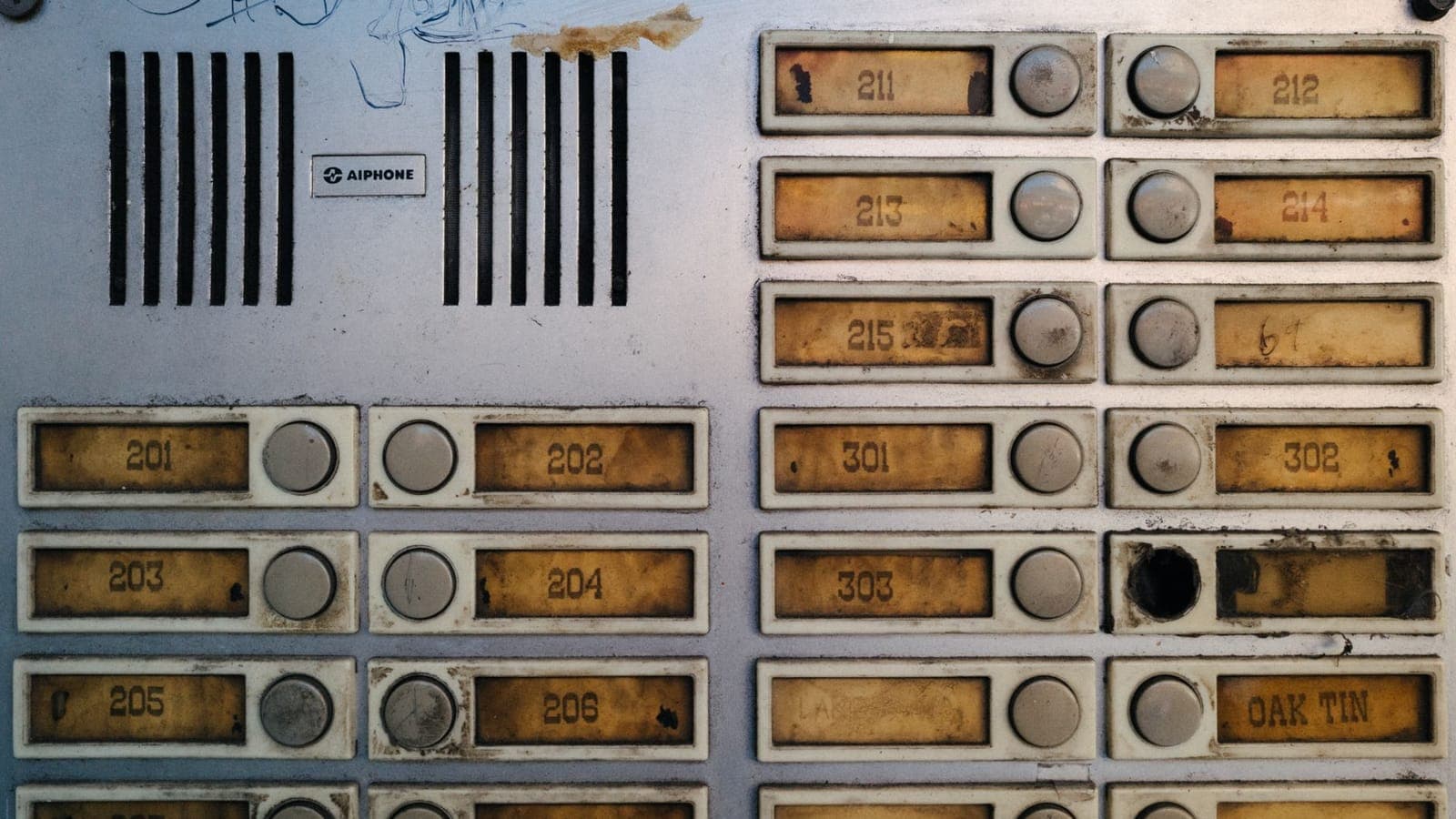
That is where the one practical precaution comes from: whoever comes round has to be able to find you. Give the right staircase and flat number (scala and interno), and put your name on the entryphone and the letterbox in the first week, not when it suits you.
Those forty-five days are also the window in which the house has to stop being a storeroom, and that is the part people underestimate when they decide how many weeks to book boxes for: look at the calendar in front of you, not the one you hope for. The Cangubox you have already emptied keep the rooms clear while you finish, because when they are empty, with the flaps open, they nest inside each other and wait for collection in a low stack.
The documents you don't have to redo
Your identity card stays as it is: when asked whether it has to be redone after a change of residence, the City of Milan says no.
Your driving licence and vehicle documents update themselves, in a way that catches people out. You ask for the update at the same moment you file the registry declaration, the council passes it to the Ministry of Infrastructure and Transport, which updates its own archives. What no longer arrives is the sticker with the new address: for the driving licence since 2 March 2013, for the car and motorbike registration document (carta di circolazione) since 1 October 2020. If you need proof that the address has changed, you log in with SPID or CIE to your personal area on the Portale dell'Automobilista and look at your record (ministry page updated on 3 March 2026).
The registry does the rest: the City of Milan passes the change of residence to INPS, the tax office (Agenzia delle Entrate), the vehicle authority (Motorizzazione) and the local health authority (ATS), as well as council services. Your bank, your insurers and your subscriptions are down to you, and they sit with the other jobs to line up in the checklist of the weeks beforehand.
The waste tax does not follow your residence
This is the mistake you go on paying for months. Residence and the waste tax (TARI) are two separate procedures, and the second does not start by itself.
For the new house, in Milan the declaration of new occupancy (dichiarazione di nuova occupazione) goes in within ninety days of the start of possession or occupation of the property, and the details you give count towards the bill from the two-month billing period after the one in which you took over the property.
For the old house you need a declaration of cessation (dichiarazione di cessazione), within the two-month period in which you leave the property. If you skip it, you carry on getting the bill for a house you no longer live in. And here is the detail that catches people: as long as utilities are still connected in the flat, electricity, gas or water, the cessation cannot be declared and the TARI is still owed. Close the contracts first, then declare. The City of Milan pages with these two deadlines were updated on 6 May and 16 June 2026.
Outside Milan the forms, the offices and sometimes the deadlines change, while the structure is the same: search for "TARI" and "cambio di residenza" among your own council's online services, and read those two pages instead of a summary found somewhere else.
The day you move is the date everything else is counted from: file the declaration that same week, and put your name on the entryphone straight away. Like the permit to park the van outside your door, these are procedures where someone else sets the timing, and the only thing you decide is when to start.