Leggi questa guida in italiano
The permit to park the van outside your door
The council issues the permit, but the time goes on the no parking signs, to be put up 72 hours before. How to ask, and how early to start.
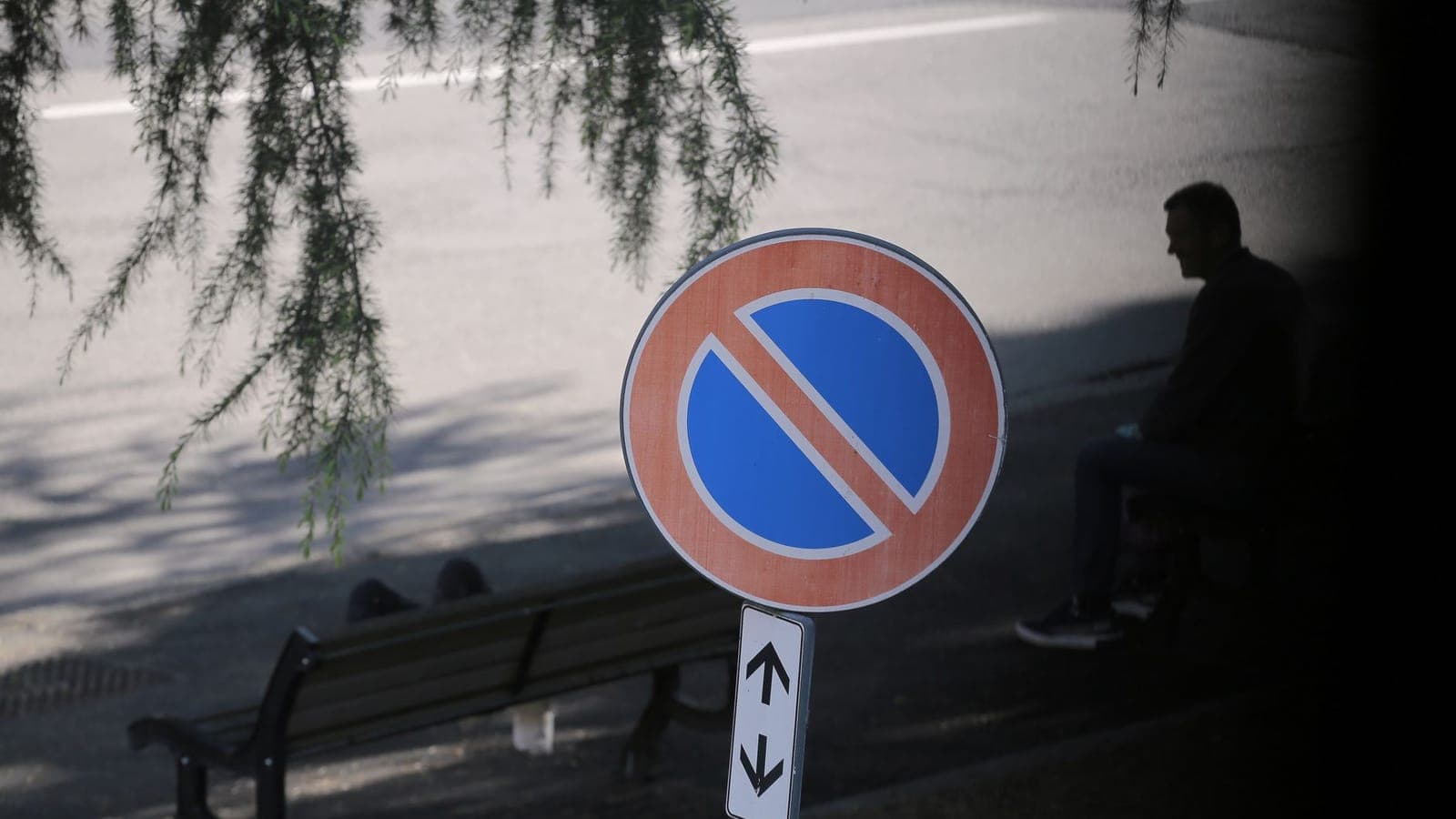
On moving day the van has to stop outside your building. Outside your building, almost always, there are three cars that have been parked since last night. It is not bad luck, it happens in any street, and that is what decides whether you load in two hours or spend the morning carrying furniture fifty metres along the pavement.
That space can be reserved. The procedure is called occupazione temporanea di suolo pubblico, temporary occupation of public land, and the only thing that makes it hard is the calendar: most people start too late because they picture a form to fill in, when it is the signs that take the time.
The reservation exists only once the signs are up in the street
Reserving a stretch of road for a move is a concession from the council and it means paying the Canone Unico, the council charge for the space. What most people do not expect is that the reservation does not exist until the signs are up, and that the signs are your job.
They have to be an approved type, they are produced and put up by whoever holds the permit, and they must go up at least 72 hours before the ban starts. You then have to tell the Polizia Locale that they are up, and an officer comes to check when and how they were displayed. The ban takes effect only if that check goes well, and only from that moment, if somebody parks inside your reserved space, can you ask for the car to be towed away by ringing the Centrale Operativa, the local police control room.
The Comune di Milano also advises sending the request for the signs at least four days before the occupation starts. Add the four days to the 72 hours of display and you have the answer to the question everybody asks: a permit requested on Wednesday for Saturday does not have time to take effect.
Where to ask, and what changes outside Milan
In Milan you download the form from the council's Occupazione temporanea di suolo pubblico page, updated on 26 June 2026, and you hand it in to the Ufficio Permessi of the Polizia Locale for your area. The local police are divided into area commands, so the first thing to look at is which zone the street falls under: not the house in general, but the exact street number you want the vehicle outside. For moves, the occupation runs up to fourteen days.
Outside Milan the office, the form and the timings change, while the mechanism stays the same. In Monza, for instance, those authorisations are issued by the ufficio Mobilità and not by the Polizia Locale. So there is one practical rule: search for "occupazione temporanea di suolo pubblico" on your own council's site and read that page, not a summary found somewhere else. Procedures change by council resolution, and a detail you remember instead of checking sends you to the wrong desk with the van already booked.
Area C and ZTL, where the paperwork gets longer
If the stretch of road you need is inside Area C, Milan's charging zone, the vehicle has to meet the requirements to enter it and, where due, pay the entry ticket: the land concession does not exempt it. If it is inside a ZTL, a limited traffic zone, you have to submit the carta di circolazione, the vehicle registration document, together with the request, and that is where the permission to enter comes from.
This matters most to anyone who has not yet decided what they are moving with. If the van is hired, or it belongs to a friend who offers at the last minute, you learn the number plate late, while here it is needed early, so it is worth choosing the vehicle before you start the paperwork.
What to do with the window you have got
Fourteen days is the maximum allowed, and almost nobody has a reason to hold a piece of road for two weeks. It is still worth asking for one day more than you think you need, because if the loading slips by two hours you risk being left without space just as you are bringing the wardrobe down.
Inside that window what counts is how many times you go up and down, and how heavy each trip down is. This is where the shape of your boxes makes itself felt: cardboard has to be bought, assembled, taped shut and then carried down pile by pile, in your arms. Cangubox arrive ready and stack on the Dolly, the four-wheeled trolley included in every rental, which takes up to 400 kg: from the landing to the vehicle you push instead of lifting. Against cardboard those are fewer operations, and they come out of exactly the hours when the street is yours.
All the rest is a question of dates, so it is worth sorting it out while you are already looking at the calendar: put the public land permit next to the other things that depend on somebody else, in the checklist for the weeks before. The order is this: choose the vehicle, check which office covers the street, ask for the permit and the signs with at least a week to spare, put the signs up three days ahead and report that you have put them up. They are five boring jobs if you do them in that order, while doing them the other way round means ending up with the van double parked.