Leggi questa guida in italiano
Renting a flat: what to check on the day you get the keys
Key day is the only day the flat is as it was before you. What to photograph, what to test and what to put in writing before the boxes come in.
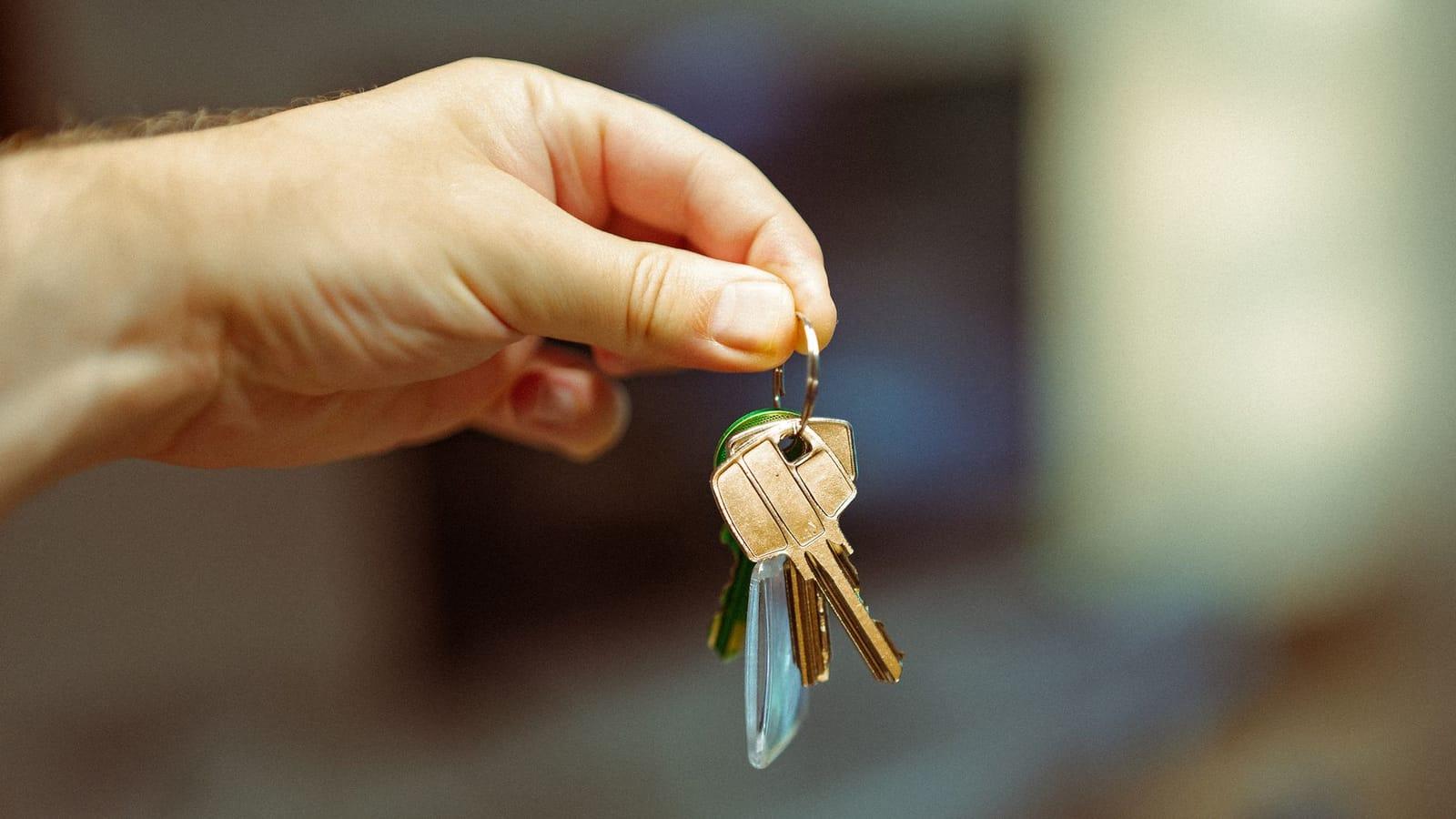
The landlord opens the door, hands you a bunch of keys and is in a hurry. You have the van booked for Saturday and your mind is already on the boxes. The walk round the flat takes five minutes, then a handshake, and the door closes again.
Yet today decides how things go in a few years, when you hand the flat back. At the end of the tenancy, the state of the flat is compared with its state on the day you moved in. That day is today, and it is the only day you can record it. Anything you do not note down today may look tomorrow like a mark you made.
Walk round an empty flat, before anything else
Do the check before any of your things come in. You cannot photograph a wall hidden behind a stack of boxes, and nobody will see a crack behind a wardrobe once it is assembled.
Go room by room, always in the same order: walls, ceiling, floor, windows and doors. Photograph what is fine as well, not just the faults, because in a few years you will need to show that the wall was undamaged. For floors, hold the phone low and look for the light coming in from the window: scratches only show when the light hits them from the side.
Photos carry the date on their own, but do not keep them only on your phone. Email them to the landlord the same day, with a short list of what you noticed. That way the date no longer depends on a device you may have replaced three years from now, and there is a record that the landlord received them.
If the flat is furnished and the contract has a list of furniture and appliances, check it item by item, with the doors open. A drawer that sticks or a cracked shelf goes next to its entry, not at the bottom of the page.
What to test by hand
Photos show what the flat looks like, not how it works. For that you need ten minutes and a little patience.
- Turn on every tap, hot and cold, and let it run: note how long the hot water takes to arrive and whether the drains take it away.
- Flush the toilet and check that the cistern stops filling.
- Open and close every window, and raise and lower every shutter.
- Try the locks with every key you were given, including the one for the cellar.
- Switch on every light and test the sockets with your phone charger.
- Look at the top corners of the outside walls, and behind the built-in wardrobes: dark patches there are mould, and you need to know before you push a bed against them.
Add anything that does not work to the same email. A dripping tap reported on day one is a fault in the flat. Reported after six months, it turns into an argument about who broke it.
Meters, keys and a signed sheet
Take a photo of each meter, electricity, gas and water, with the figures readable. These are the readings your bills start from, and they are what you will be asked for when you arrange the voltura or subentro.
Then count the keys and write down how many there are, one for each lock: the building's front door, your own front door, the cellar, the letterbox, the garage if there is one. Ask whether other copies exist and who has them. The number you write down today is the one you will be asked to give back when you leave, and handing the flat back starts from that very count.
Finally, if the landlord agrees, put it all in a report signed by both of you: date, readings, keys, faults found. If they will not sign, the email with the photos and the list remains your record, and its date is set by the mail server.
Where to put the boxes while you check
Often key day is also moving day, and then the boxes arrive while you are still walking round. The trouble is space: everything you put down covers a part of the flat you have not looked at yet.
There is only one rule. The boxes go into the first room you have already photographed, and they stay there until the walk round is over. Even closed and full, one Cangubox can sit on top of another, since the box is rigid and the lid is flat: in that room the boxes stand in columns against one wall, and the floors of the other rooms stay clear to look at. To open one and find the charger or a light bulb, you just lift the two halves of the lid, with no tape to cut or replace. And if you then need that room empty, the columns go onto the Dolly (every rental includes one) and you push them next door rather than lifting each box by hand. The kit shows what arrives with the boxes.
If the move falls a few days after key day, you can do the walk round calmly in an empty flat, and before the van arrives you have time to protect the floor you have just photographed.
In short, the order is this: keys in hand, walk round with your phone, tests by hand, meters read and keys counted, email to the landlord before evening. Then, and only then, the boxes come in.