Leggi questa guida in italiano
Moving an aquarium: fish, filter, water and tank
An aquarium is never moved full: you take it apart keeping the fish and filter alive, the equipment travels dry, and the tank is set up first in the new home.
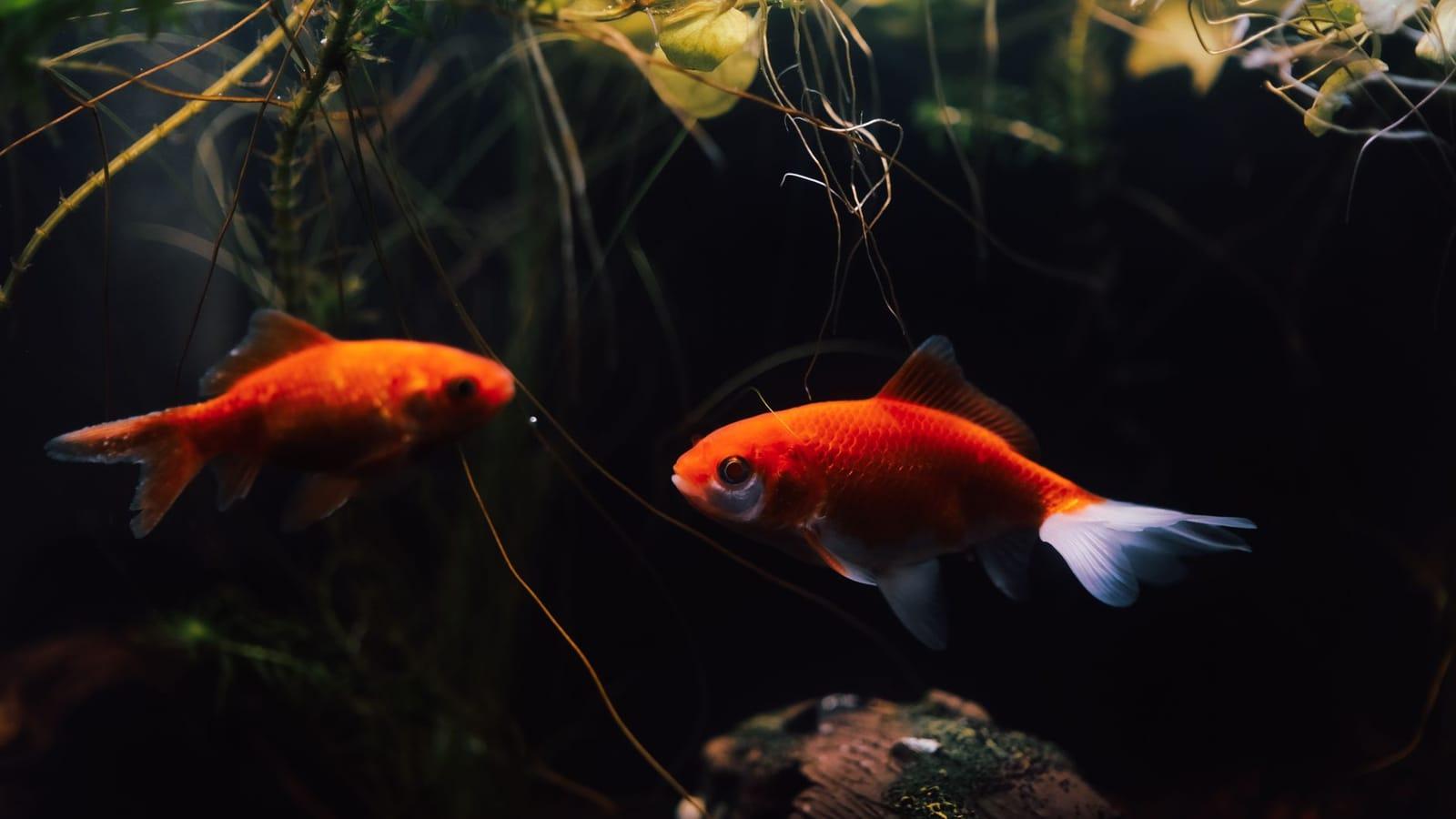
The aquarium is the last thing you think about when you plan the move, and the first to cause you trouble on the morning of the move. A tank holds live animals, tens of litres of water and a balance that took you months to get right. If you take it apart in a hurry, you start from scratch in the new home, and so do the fish.
It can be done in a day, if you plan the day: by knowing what you never do, by keeping what is alive apart from the equipment, and by deciding the order in which things come out and go back in.
A full tank is never moved
A glass tank is held together by the silicone along its edges, and silicone is made to hold still water in a tank that stands on a flat surface. If you lift it with water and gravel inside, the weight shifts at every step and puts strain on the edges, which are not made to take it. It can give way at once, or weeks later, in the new home, on the stand you have just put together.
So the tank travels empty: no water, no substrate, no decorations inside. You wrap it in a blanket, two people carry it holding it from underneath and never by the top rim, and once in the van the tank rests on its base, held firm against one side of the load area.
In some cases you need to ask for help first. A very large tank, a marine aquarium, a journey of several hours: talk to the shop where you buy your fish, as they know how the fish you keep should be moved, or hand the tank over to people who do this kind of move for a living. The article on DIY move or removal company explains when calling one makes sense.
What is alive stays in water
Fish, plants and filter must not be left out of water, not even for a short time.
- The filter. The sponges and filter media hold the colony of bacteria that keeps the water clean. If they dry out, the tank in the new home starts without it, like a newly set-up aquarium. Take them out last and put them in a closed bucket, covered with water from the tank.
- The fish. They travel in fish transport bags or in containers with a lid, filled with their own water and not with tap water. Shops have the bags: ask for them a few days before. On the day before the move, do not feed them: whatever they digest during the journey ends up in the water in the bag.
- The water. Keep as much of it as you can, in clean jerrycans or buckets, never washed with detergent. You will need it to fill the tank in the new home, together with fresh water.
- Plants and substrate. The plants go into bags with a little tank water. The substrate comes out with a small scoop and goes into a separate bucket, still wet.
The fish, the filter bucket and the plant bucket travel with you, in the car, and not in the back of the van: back there, nobody controls the temperature.
The rest is equipment, and it travels dry
Once what is alive is out, you are left with a small stockroom: the light, the heater, the pump, the tubes, the net, the water tests, the food, the decorations.
Unplug the heater and let it cool down in the water before you take it out: if you lift it out hot, the glass can crack. Then each piece is rinsed, dried and put together with the others. Wrap the rocks and decorations one by one in a towel.
This is where wet things and dry things go their separate ways. Buckets and jerrycans stay closed and upright, and they travel like that. Only what you have dried goes into a Cangubox. Rocks are heavy and have sharp corners, and a Cangubox carries up to 30 kg; to close it you just lock the two flaps of the lid together, with no tape, and the top stays flat, so you can stack other things on it even when it is loaded. Put all the equipment in a single box, with a tag that says "aquarium": it is the box to open first.
The aquarium goes out last and comes in first
On moving day, this is the order.
- Early in the morning, before your helpers arrive, take out the plants and set aside the water you are keeping.
- Catch the fish with the net and put them in their containers.
- Empty the rest of the water, take out the substrate, and the filter last of all.
- The empty tank goes into the van in the last section, the one by the doors, which is the first to be unloaded, as set out in the loading order.
In the new home the aquarium is the first thing to set up. The stand has to be level and in its final spot, because once the tank is full it cannot be moved, not even by ten centimetres. Put back the substrate and the decorations, then the old water and the new water, treated with the product you use for water changes. Then the filter, and the heater, which is switched on only once it is under water.
The fish go in last. Float the bags in the tank until the water inside reaches the temperature of the water around them, then pour tank water into the bags a little at a time, and only then let the fish out. On the first day keep the light off and do not feed them: they have just been on a journey, and the home is new for them too.
This week, before you even start on the boxes, go to the shop and ask for the bags. Then count the buckets and jerrycans you have, and write the four aquarium lines on a sheet of paper, to stick up by the door on the morning of the move.